
Diagnostic tests play an essential role in modern healthcare by helping doctors detect, diagnose, and monitor medical conditions. From simple blood tests to advanced imaging techniques like ultrasound, these tests provide valuable information about the body’s internal functioning and overall health.
Understanding common diagnostic tests can help patients feel more confident and prepared when their doctor recommends them.
Blood Tests
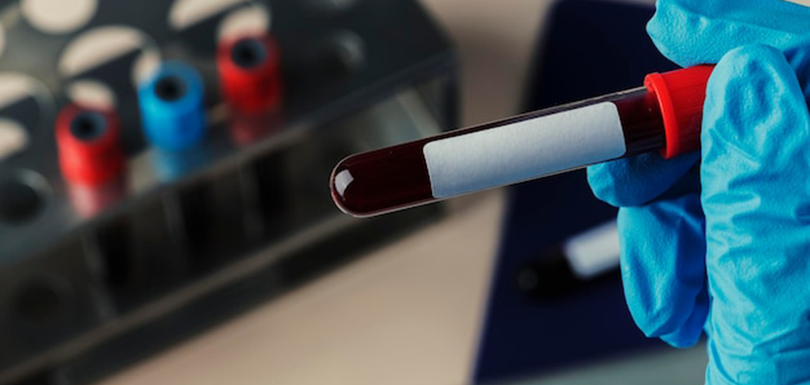
Blood tests are among the most commonly prescribed diagnostic investigations. They help assess general health, detect diseases, and monitor ongoing treatments.
Common blood tests include:
- Complete Blood Count (CBC): Evaluates red blood cells, white blood cells, and platelets to detect anaemia, infections, and blood disorders.
- Blood Sugar Tests: Used to diagnose and monitor diabetes.
- Lipid Profile: Measures cholesterol and triglyceride levels to assess heart disease risk.
- Liver and Kidney Function Tests: Check how well these organs are functioning.
- Hormone Tests: Evaluate thyroid, fertility, and other hormonal conditions.
Urine and Stool Tests
Urine and stool examinations are important for detecting infections, digestive disorders, and metabolic problems.
- Urine Tests: Help diagnose urinary tract infections, kidney disease, and diabetes-related complications.
- Stool Tests: Used to identify infections, parasites, and gastrointestinal issues.
Sonography (Ultrasound)
Sonography, also known as ultrasound, uses sound waves to create images of internal organs. It is a safe, non-invasive, and radiation-free imaging technique.
Ultrasound is commonly used for:
- Abdominal and pelvic examinations
- Pregnancy monitoring
- Detection of cysts, stones, and tumors
- Examination of soft tissues and organs
Color Doppler Tests
Color Doppler is a specialized ultrasound technique used to study blood flow in arteries and veins. It helps detect blockages, narrowing, and circulation problems.
It is often recommended for:
- Vascular disorders
- Varicose veins
- Pregnancy-related blood flow assessment
Evaluation of organ blood supply
X-rays and Other Imaging Tests
In some cases, doctors may recommend X-rays, CT scans, or MRI scans to get detailed images of bones and internal structures. These tests help diagnose fractures, infections, tumors, and other conditions.
Why Diagnostic Tests Are Important
Diagnostic tests help in:
- Early detection of diseases
- Accurate diagnosis
- Monitoring treatment progress
Preventive healthcare and routine health check-ups
Conclusion
Diagnostic tests, from routine blood tests to advanced imaging like ultrasound and Color Doppler, are vital tools for maintaining good health. They help doctors make informed decisions and ensure timely treatment. Understanding these tests allows patients to participate actively in their healthcare journey.
“A clear and simple guide to understanding everyday diagnostic tests and how they help doctors protect your long-term health.”